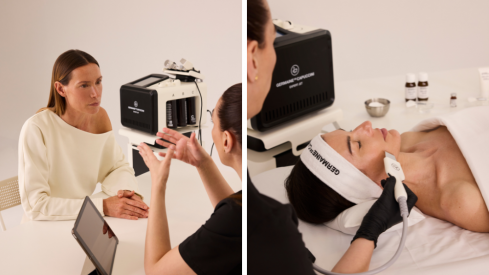
The brand reinforces its professional portfolio with a system of four in-cabin sessions, one month of at-home routine, and daily photoprotection, articulated around its own four-way action technology, 4-PATH SYSTEM. The clinical test shows a 28.5% reduction in spot intensity and a 42.9% improvement in tone contrast.
Germaine de Capuccini expands its line of professional treatments with New Pigment Therapy, a protocol specifically designed for skin with dark spots, uneven tone, or a tendency to hyperpigmentation. The launch is supported by a test conducted with 21 volunteers and an approach that the brand positions as differential within a category, that of depigmenting treatments, especially competitive and with an increasingly demanding consumer in terms of evidence.
A multi-path approach versus a single active ingredient
The starting point of the development is conceptual: hyperpigmentation is a multifactorial process, linked to accumulated sun exposure, inflammatory processes, hormonal changes, or skin aging, and can originate at different points of the biological process: melanin production, transfer to keratinocytes, associated inflammation, or slow pigment turnover. Based on this premise, Germaine de Capuccini has built New Pigment Therapy around its own technology, 4-PATH SYSTEM, which simultaneously addresses exfoliation, synthesis, transfer, and protection.
This "multiple paths, one strategy" logic underpins the architecture of the protocol, designed to combine four professional sessions with a one-month at-home regimen and daily photoprotection.
How the professional protocol is structured
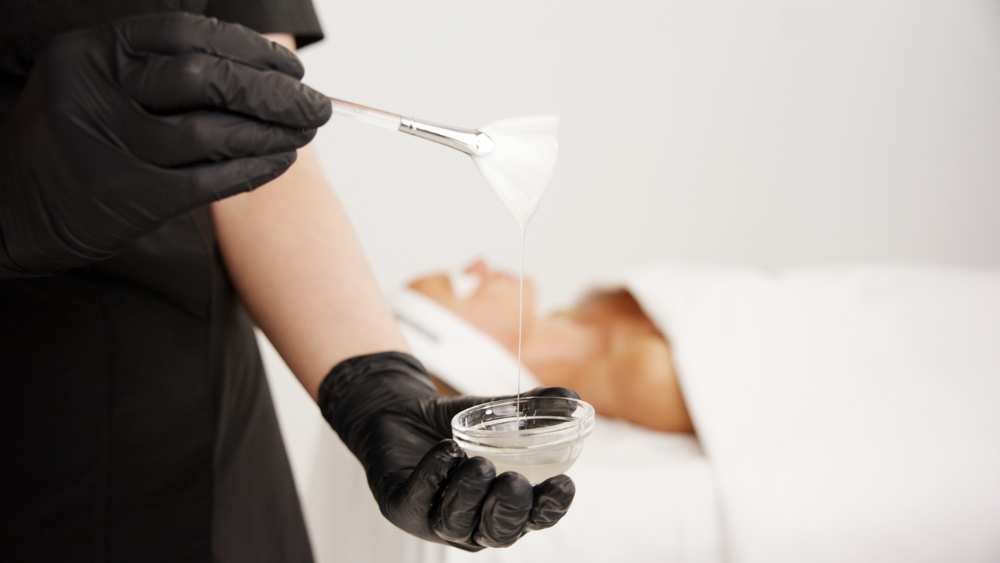
In the cabin, the professional has two levels of peeling, Correction Peel and Correction Peel Intense, to adapt the intensity of exfoliation to the skin condition and tolerance of each skin. Next, Dark Spot Complex is applied, a high-concentration vial formulated with tranexamic acid, niacinamide, N-Acetyl Glucosamine, and hexyl resorcinol, along with vehiculization technologies aimed at hydration and exposome management. The session closes with Advanced Dark Spot Mask, a multi-corrective mask with prolonged action, and broad-spectrum photoprotection. For sensitized skin, the system also incorporates Intensive Relief, a dermoprotective gel to strengthen the skin barrier after peeling.
The home routine combines a Dark Spot Minimizing Concentrate and a Dark Spot Emulsion, which can be used together or adapted according to tolerance, extending the work started in the cabin at home.
The data supporting the launch
After four professional sessions and one month of twice-daily home application, the test, evaluated by dermatological clinical analysis, instrumental measurement (ITA° parameter) and participant perception, registered a 28.5% reduction in spot intensity and a 42.9% improvement in tone contrast between the pigmented area and a control area. At the perception level, 90.5% of participants described a more homogeneous tone, 80.9% perceived fewer spots, and 100% considered that the home routine enhanced the result of the in-cabin treatment.
Personalization as a selling point in the cabin
For Germaine de Capuccini, the fact that 85.7% of participants valued the adaptation of the protocol to their skin's specific needs is also a commercial lever: it reinforces the professional's role as a prescriber and differentiates the in-cabin service from self-service cosmetics. The brand insists that efficacy should not be at odds with respect for the skin barrier, and that the pace of treatment, not just its intensity, is part of the result.
Photoprotection, the step that closes the protocol
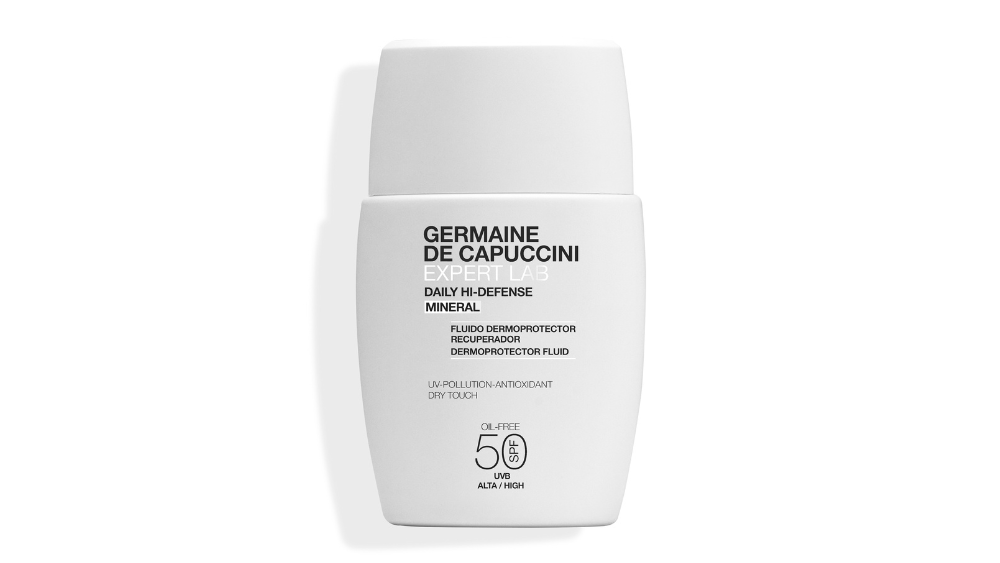
New Pigment Therapy incorporates SPF50 as a mandatory step both in the cabin and at home, with different versions of Daily Hi Defense SPF50, including a mineral formula for sensitive skin. A point that the brand emphasizes as an argument for continuity: without daily photoprotection, the improvement achieved in the sessions tends to revert.
With this launch, Germaine de Capuccini positions itself in a segment of the professional market, spot correction, where demand is growing steadily and where clinical evidence is becoming an increasingly decisive argument for both the beauty center and the final consumer.