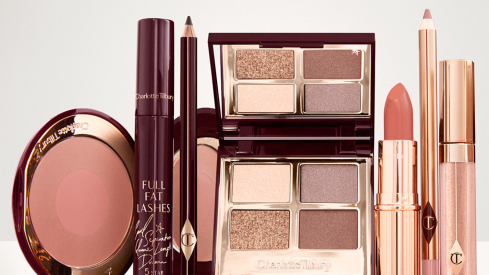
Puig makes a move with one of its most important brands. According to Crónica Global, the Catalan group has moved the Spanish headquarters of Charlotte Tilbury, which until now operated from Madrid, to Barcelona. The new office is located at Puig's corporate headquarters in L'Hospitalet de Llobregat, chaired by Marc Puig.
The move brings the group closer to the brand that has most boosted its makeup and skincare business. Puig bought a majority stake in 2020, and the founder maintained a minority position. It was then announced that the brand, founded in 2013, was partnering with Puig, the Barcelona-based family company. Puig prevailed over competitors such as Unilever, L'Oréal, and Estée Lauder.
A brand with weight in the group's accounts
Charlotte Tilbury is primarily responsible for the growth and pull of makeup at Puig. In 2025, revenues in this category grew by 10.8%, and operating profit rose by more than 118% compared to 2024. The group attributes these figures to the brand's performance, which launched numerous innovations, entered Mexico, and debuted distribution on Amazon in the United States.
The Tilbury factor in the breakup with Estée Lauder
The move comes after the failed merger with Estée Lauder. Crónica Global explains that the purchase agreement included an option on the remaining capital and change of control clauses. In the event of a merger, the founder could demand that Puig execute the purchase of her share, a cost that the American company did not want to assume. Other media place the founder of the makeup brand at the center of the breakup. According to the French news agency, Reuters, the last stumbling block was Tilbury's demands regarding the conditions of her minority stake. Bloomberg added that one of the points of friction was the founder's change of control clause.
Even so, the makeup brand was not the only obstacle. Reuters also points to the rejection by Estée Lauder investors and doubts about how to structure assets such as Charlotte Tilbury and Isdin, which Puig does not control 100% (now, in the case of Isdin, it does). For his part, Estée Lauder CEO, Stéphane de La Faverie, attributed the failure to the price.
Puig strengthens its position
Despite the merger ultimately not coming to fruition, the group has increased its stake in the brand. El Economista recently explained that Puig would have disbursed more than 350 million euros to raise its stake to 85%, buying shares from the founder herself and former CEO Demetra Pinsent. It would acquire the remaining 15% in 2031.