Beiersdorf closed the 2025 fiscal year with a turnover of 9.9 billion euros, which represents organic growth of 2.4%. Despite a complex macroeconomic environment and a generalized slowdown in the consumption of skin care products, the German multinational has managed to exceed the market average, consolidating its position as one of the most resilient companies in the sector.
The success of dermatological cosmetics
The main driver of these results has been, once again, the Derma segment. Brands like Eucerin and Aquaphor recorded double-digit growth for the fifth consecutive year, with an increase of 11.7% in their sales. This success is largely due to strong demand in emerging markets and the impact of scientific innovations, such as the epigenetics serum, which have captured the interest of consumers seeking solutions of proven efficacy.
For its part, the Health Care division (which includes brands like Hansaplast) also showed solidity with a growth of 9.3%, marking one of its best historical years.
Contrast in consumer and luxury brands
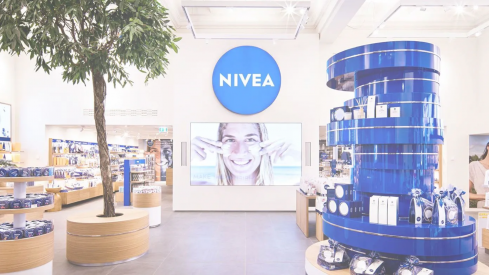
On the opposite side, NIVEA, the group's flagship brand, experienced more modest growth of 0.9%, reaching 5.5 billion euros. The company has attributed this figure to a strategic restructuring in the Chinese market and a "recalibration" phase that it expects to bear fruit in 2026. The luxury brand La Prairie fared worse, with sales falling 4.5% due to the volatility of the high-end sector, although it showed signs of recovery in the last quarter of the year.
Vincent Warnery, CEO of Beiersdorf, described 2025 as a "demanding" year and anticipated a 2026 of flat or slightly positive growth. To strengthen the company's value, the group announced a new share buyback program worth 750 million euros and proposed a dividend of 1 euro per share. The focus for next year will be on recovering NIVEA's momentum and maintaining operational efficiency in the face of global uncertainty.