
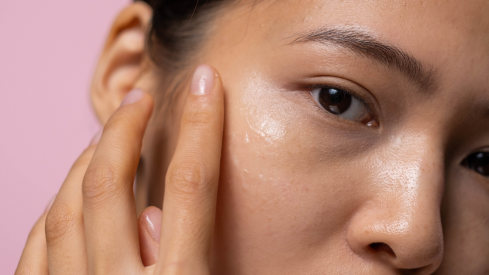
The future of aesthetic medicine is not only about correcting the visible signs of aging, but about understanding how skin evolves and what we can do to preserve its quality over time. This approach, known as skin longevity, proposes a more global, preventive, and individualized vision of skin care.
When we evaluate skin aging, wrinkles, spots, and loss of firmness are only part of the process. Changes also occur in texture, hydration, tone uniformity, and the dermal structures responsible for its elasticity and resistance.
In my clinical practice, I believe that skin quality should be addressed as a medical objective in itself, not merely as a complement to facial rejuvenation treatments. This involves evaluating the skin as a whole, identifying predominant alterations, and designing a strategy adapted to the real needs of each patient.
It is not about stopping aging, but about intervening with criteria, preserving skin health, and obtaining natural and sustainable results.
Prevention is the first pillar of skin longevity
Accumulated sun exposure is one of the main factors involved in photoaging. Ultraviolet radiation contributes to collagen degradation, favors the appearance of pigmentary alterations, and accelerates certain changes in skin elasticity and texture.
For this reason, daily photoprotection is one of the most important measures to preserve skin quality in the long term. I recommend using broad-spectrum sunscreens, with an SPF appropriate to the phototype, individual characteristics, and level of exposure. It is also essential to apply them in sufficient quantity, reapply them during outdoor exposure, and complement them with physical protection measures.
The cosmetic routine must be adapted to each patient. Gentle cleansing, adequate hydration, and the selection of active ingredients with scientific evidence allow maintaining the barrier function and addressing certain manifestations of aging. Retinoids, for example, can improve fine lines and texture, while other ingredients help treat pigmentary alterations or reinforce hydration.
In this context, personalization is essential. An effective routine does not depend on the number of products used, but on choosing the right ones, respecting skin tolerance, and maintaining consistency.
From preventive care to personalized medical intervention
Although prevention is fundamental, skin aging is also conditioned by genetic and biological factors that we cannot fully control. Over time, changes occur in the extracellular matrix, the synthesis of collagen and elastin, and the skin's renewal mechanisms.
When texture alterations, scars, fine wrinkles, pigment irregularities, or loss of firmness appear, aesthetic medicine has different tools to address them. The choice must start from an accurate diagnosis, because not all alterations have the same origin or respond to the same procedures.
My criterion is to prioritize diagnosis and therapeutic objective before choosing the technology. Equipment can provide significant value, but its usefulness depends on correctly selecting the patient, adjusting the treatment to their characteristics, and establishing realistic expectations.
Among the available options is fractional radiofrequency with microneedles, a technology that allows energy to be delivered into the dermis using small-gauge needles. Depending on the device, its parameters, and the clinical indication, it can be used to improve certain aspects of skin texture and quality.
Sylfirm X is one of the technologies integrated into this field. Its system combines microneedles with radiofrequency and has different emission modalities that allow adapting the approach to specific clinical objectives.
From my point of view, the interest of these technologies lies in their ability to be part of an individualized therapeutic strategy. They should not be understood as a universal solution, but as tools that can provide value when there is an appropriate indication and they are used with knowledge of their possibilities and limitations.
Prior assessment is especially important in patients with melasma or a history of post-inflammatory hyperpigmentation. In these cases, the selection of parameters, skin preparation, and follow-up must be extreme to reduce the risk of pigmentary worsening.
Technology, by itself, does not guarantee a result. Medical indication, knowledge of skin physiology, and treatment planning are fundamental elements to achieve a safe and coherent intervention with the patient's needs.
A new perspective on rejuvenation
Skin longevity also invites a review of a traditional idea of rejuvenation: that of focusing exclusively on correcting what is already visible.
Skin quality depends on multiple interrelated factors, including hydration, texture, tone uniformity, elasticity, and the integrity of its structures. Therefore, I consider it more useful to establish concrete objectives and evaluate the evolution of each of them than to pursue an ideal of completely smooth or blemish-free skin.
Healthy skin does not have to be poreless, wrinkle-free, or without small irregularities. The goal should be to improve its appearance and functional conditions without losing naturalness or subjecting it to unnecessary interventions.
In some patients, photoprotection and a well-designed cosmetic routine may be sufficient to achieve satisfactory improvement. In others, the combination of these cares with specific medical procedures can provide additional benefits.
The decision must be based on individual assessment, patient expectations, available evidence, and the balance between benefits and risks.
The future of aesthetic medicine: personalization, prevention, and clinical judgment
Chronological age alone does not determine skin needs. Two people of the same age may present very different characteristics depending on their genetics, habits, sun exposure, and medical history.
Therefore, planning must adapt to each patient and evolve with them. I do not consider it necessary to accumulate treatments or intervene before there is a reasonable indication. It is preferable to build a coherent strategy, periodically review its results, and modify it when skin needs change.
Skin longevity represents an opportunity to advance towards a more conscious aesthetic medicine, based on prevention, scientific knowledge, and personalization. Technologies play a relevant role within this approach, provided they are integrated into a medical strategy and do not become the ultimate goal of treatment.
In short, preserving skin quality demands more than choosing a good device: it requires understanding the skin, identifying what each patient needs, and deciding when to intervene and when not to. That combination of prevention, clinical judgment, and well-indicated treatments is, in my opinion, the basis of aesthetic medicine oriented towards long-term skin quality.
