
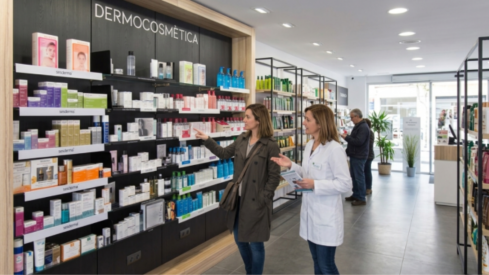
If we take a look at the shelves of any pharmacy or the feed of any beauty brand's Instagram, we will find the same scenario: a sea of marketing trends. "Clean beauty", "science-backed", "dermatologist-tested", "microbiome-friendly".
For the dermo-cosmetics marketing professional, these words are a double-edged sword. On the one hand, they are communicative shortcuts; on the other, they have become background noise that generates consumer fatigue and, more worryingly, attracts the attention of regulators.
Goodbye to empty promises: consumers want proof
Today's consumer no longer buys the "hype", they buy the proof. As Mintel analysts highlight in their recent studies on the evolution of the sector, “consumers are increasingly demanding that brands provide solid scientific evidence to validate their claims, moving away from empty promises”.
It is no longer enough to say that a product is "science-backed". It must be proven. But this is where the marketing team faces a wall: how do we translate complex clinical trials, molecular mechanisms of action, and R&D data into a message that is emotional, quick to consume, and, above all, 100% compliant?

Regulatory pressure as a catalyst for creativity
Regulation is no longer just an obstacle, it is the new playing field. As the European Commission points out in its guidelines for empowering consumers in the green transition and in the regulation of claims: "Generic claims such as 'eco-friendly' or 'science-backed', without solid and recognized scientific justification, will no longer be acceptable".
This regulatory pressure, far from limiting creativity, forces us to raise the standard. It pushes us to stop telling and start showing.
Making the invisible visible: the power of visual storytelling
This is where visual scientific communication becomes the greatest competitive advantage. When words fall short or are too regulated, images speak.
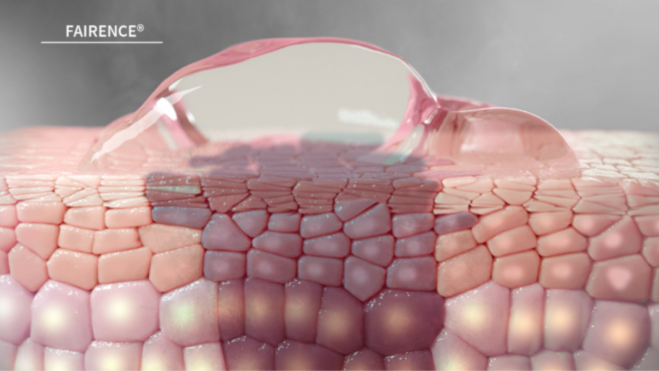
Using 3D animations, augmented reality, or medical visualizations to show how an active ingredient interacts with the cellular receptor, or how a peptide stimulates collagen synthesis, allows brands to:
- Educate without boring: Transform complex data into visual stories that a dermatologist or a patient can understand in seconds.
- Comply without losing the emotion: Showing the real mechanism of action is the safest and most attractive way to demonstrate efficacy without crossing the line of exaggerated claims.
- Differentiate yourself for real: In a sea of text-based marketing trends, the one that shows science in 3D is the one that leads the conversation.
At 3DforScience, we believe that the beauty of dermocosmetics is not in the buzzwords, but in the beauty of the science behind it. And our job is to make that science visible, understandable, and human.
Is your brand showing science or demonstrating it?
