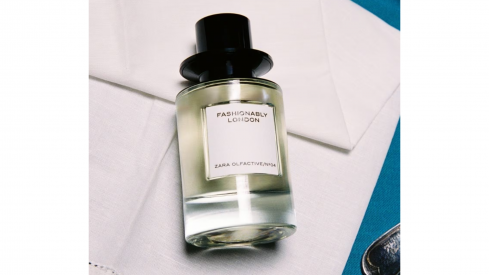
The conflict between The Estée Lauder Companies and British perfumer Jo Malone will not end in 2026 either. The case, which also affects her brand Jo Loves and ITX UK, Zara's retail distributor in the United Kingdom, has moved to the pre-trial phase in the High Court, with an oral hearing scheduled for 2028, according to Global Cosmetics News.
What is being discussed in the latest hearing
In the recent case management hearing, the debate revolved around the delivery of contractual documents and the pricing history of products. Estée Lauder argues that the collaboration may damage the luxury positioning of Jo Malone London, while ITX UK defends that the packaging identifies the creator of the fragrance and not the commercial brand.
Estée Lauder bought Jo Malone London in 1999, with trademark rights to the founder's name for certain commercial uses. Malone created Jo Loves in 2011 and in 2019 launched a fragrance collaboration with Zara, with prices ranging from 35 to 50 pounds. According to an analysis by Clifford Chance, the American group argues that the phrase "Created by Jo Malone CBE, founder of Jo Loves" on Zara products could lead consumers to associate them with Jo Malone London.
The lawsuit was filed in March 2026. Proceedings were opened on March 11 against Malone in her personal capacity, against Jo Loves and against ITX Limited, which operates as Zara. According to court documents, the claim exceeds 200,000 pounds in damages.
The arguments of each party
Estée Lauder. A spokesperson for the group stated that, upon selling the brand in 1999, Malone accepted contractual clauses that prevented her from using her name in certain commercial contexts, including fragrance marketing. In addition to breach of contract, the company alleges trademark infringement and passing off, and holds several Jo Malone trademarks for perfumes, cosmetics, candles, and lotions. According to Law360, the group strengthened its position in June against the retailer's argument.
Zara. In its defense before the High Court, seen by Reuters in May, the company denied infringing the trademark and alleged that it uses the perfumer's name in line with guidelines that Estée Lauder itself had set. Zara's bottles only bear its own brand. The lawsuit is based on "Jo Malone" appearing in website descriptions and in the phrase on the back of the packaging. Inditex also rejects Estée Lauder's characterization of its perfumes as "cheap."
Jo Malone. Malone responded on Instagram that, upon selling the company and the brand in 1999, she did not sell her name. She defends that the contract allows her to use it in a personal capacity and says she is defending herself in the High Court because Estée Lauder is trying to prevent her from identifying herself as Jo Malone even when she does so in a personal capacity.
Was there prior consent?
One of the most debated points is whether Estée Lauder previously allowed the use of the name. According to The Law Gazette, disagreement remains open as to whether the group authorized the use of the formula "Jo Malone CBE" in 2020. Inditex states that in August 2020, it received a complaint from Estée Lauder regarding a Zara post on Weibo. Zara maintains that it has since acted in accordance with the guidelines set by the company. Furthermore, it has modified the note on some items from the collaboration with Jo Loves, which is the central argument of the lawsuit.
The litigation raises a question that concerns founders and investors: what can someone who sells their brand do with their name. The outcome could have implications for future acquisitions of brands founded by individuals, especially regarding brand ownership and subsequent commercial collaborations.
With the trial scheduled for 2028, the case will continue to be marked by the review of contracts and price history, and by the struggle over what was agreed upon in 1999 and what was tolerated afterward. Until then, there is no judgment, and the positions described are allegations of the parties, not proven facts.