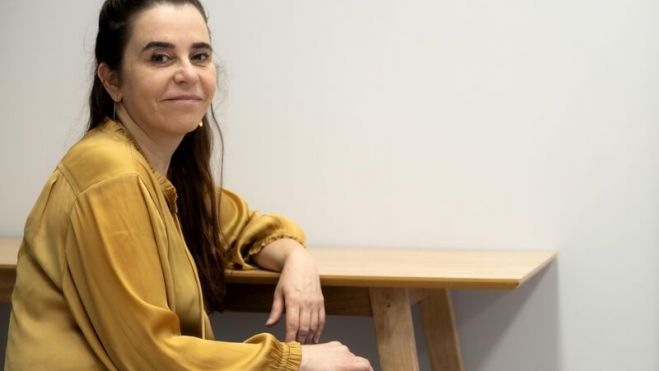
The drive for innovation in health led by women continues to gain presence in Europe, and profiles like Judit Camargo's are beginning to consolidate within that structural change. Her recent appearance on the radar of European Female Founders places Roka Furadada's business project within a key conversation: the growth of healthtech with a gender focus.
From historical bias to market opportunity
The development of health solutions has traditionally been conditioned by a lack of female representation in research and product design. This has generated clear gaps in diagnosis, treatment, and user experience. The proposal driven by Camargo responds to a logic increasingly present in the ecosystem: building health technology from unmet needs, especially in the female sphere. Beyond the social impact, it is an expanding market opportunity.
Healthtech, personalization and convergence with beauty
The interest in this type of startups is not isolated. The evolution of the consumer is pushing towards models where health, wellness, and beauty converge in more integrated and data-driven solutions.
This is where Roka Furadada positions itself: in a hybrid space where innovation not only involves technological development, but also the ability to translate scientific knowledge into experiences applicable to the user's daily life. For the beauty industry, this movement has direct implications. The growing demand for personalization, prevention, and a holistic approach is redefining complete categories, from skincare to home diagnostic devices.
The recognition by European Female Founders functions as an indicator of a broader trend: the interest of the investor and entrepreneurial ecosystem in projects led by women in high-growth sectors. Although funding remains unequal, this type of visibility contributes to positioning new companies in key scalability circuits.