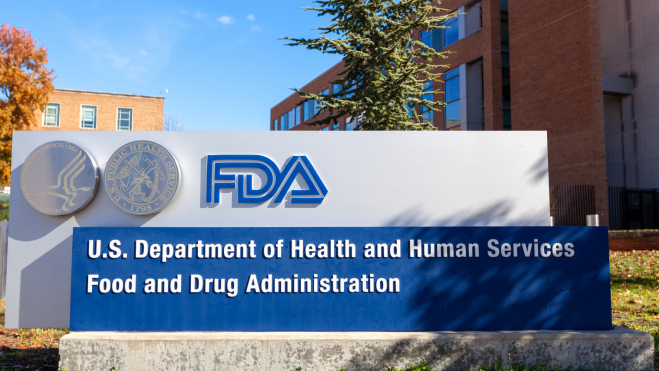
The U.S. Food and Drug Administration (FDA) has published the final version of its guidance on mandatory cosmetic product recalls, under the framework of the Modernization of Cosmetics Regulation Act of 2022 (MoCRA). The document, announced on October 22, 2026, and published in the Federal Register on the 23rd, clarifies how the agency can act when it determines that a cosmetic poses a serious risk to public health.
The guidance, titled Questions and Answers Regarding Mandatory Cosmetics Recalls: Guidance for Industry, develops the provisions outlined in section 611 of the Federal Food, Drug, and Cosmetic Act, incorporated through MoCRA. Its final publication comes after the FDA received seven comments on the draft submitted in December 2025, without introducing substantial changes from the initial proposal.
When can the FDA order a recall?
The regulation allows the agency to require the recall of a cosmetic when there are reasonable grounds to believe that the product is adulterated or misbranded and that its use or exposure may lead to serious health consequences or even death. Before imposing a mandatory recall, the FDA must offer the responsible company the opportunity to voluntarily cease distribution and recall the product. If the company does not act within the established terms, the agency can order the immediate cessation of its distribution.
The procedure also includes an informal hearing for the company to present its arguments and assess whether there is sufficient evidence to justify the measure. This hearing must be held within a maximum of ten days from the issuance of the initial order.
Elements that may support the risk assessment include inspection and sample analysis results, epidemiological data, reports of serious adverse events, and product-related complaints.
Implications for cosmetic companies
The guidance does not establish a new general obligation to recall products, but rather specifies how a power that MoCRA had already granted to the FDA is applied. The agency indicates that it will continue to promote voluntary recalls and expects these to remain the usual way to manage products that do not meet applicable requirements.
For companies marketing cosmetics in the United States, the document highlights the importance of having robust procedures to manage safety incidents, identify affected batches, and locate distributed products. The ability to document decisions, analyze complaints, and respond quickly to a potential alert is particularly relevant in this context.
In the event of a mandatory recall, the FDA may require notifications to relevant supply chain actors and the public, as well as establish deadlines, communication measures, and updates on the progress of the recall. The agency must also publish public information about the affected product and associated risks.
MoCRA, an evolving regulatory framework
The publication of this guidance adds to the changes introduced by MoCRA, considered the largest expansion of U.S. federal authority over cosmetics since the approval of the landmark 1938 act. The standard has strengthened requirements in areas such as the notification of serious adverse events, facility registration, the inclusion of products in the corresponding FDA listing, and the documentation supporting their safety.
Although the guidance on mandatory recalls reflects the agency's current interpretation and is not legally binding by itself, it offers companies a practical reference for understanding how the U.S. authority may intervene in the face of a serious risk. For international operators, the advancement of this regulatory framework underscores the need to integrate product safety, traceability, and preparedness for potential recalls into their businesses' regulatory compliance strategy.